About Saint Patrick Orthodox Mission in Ireland
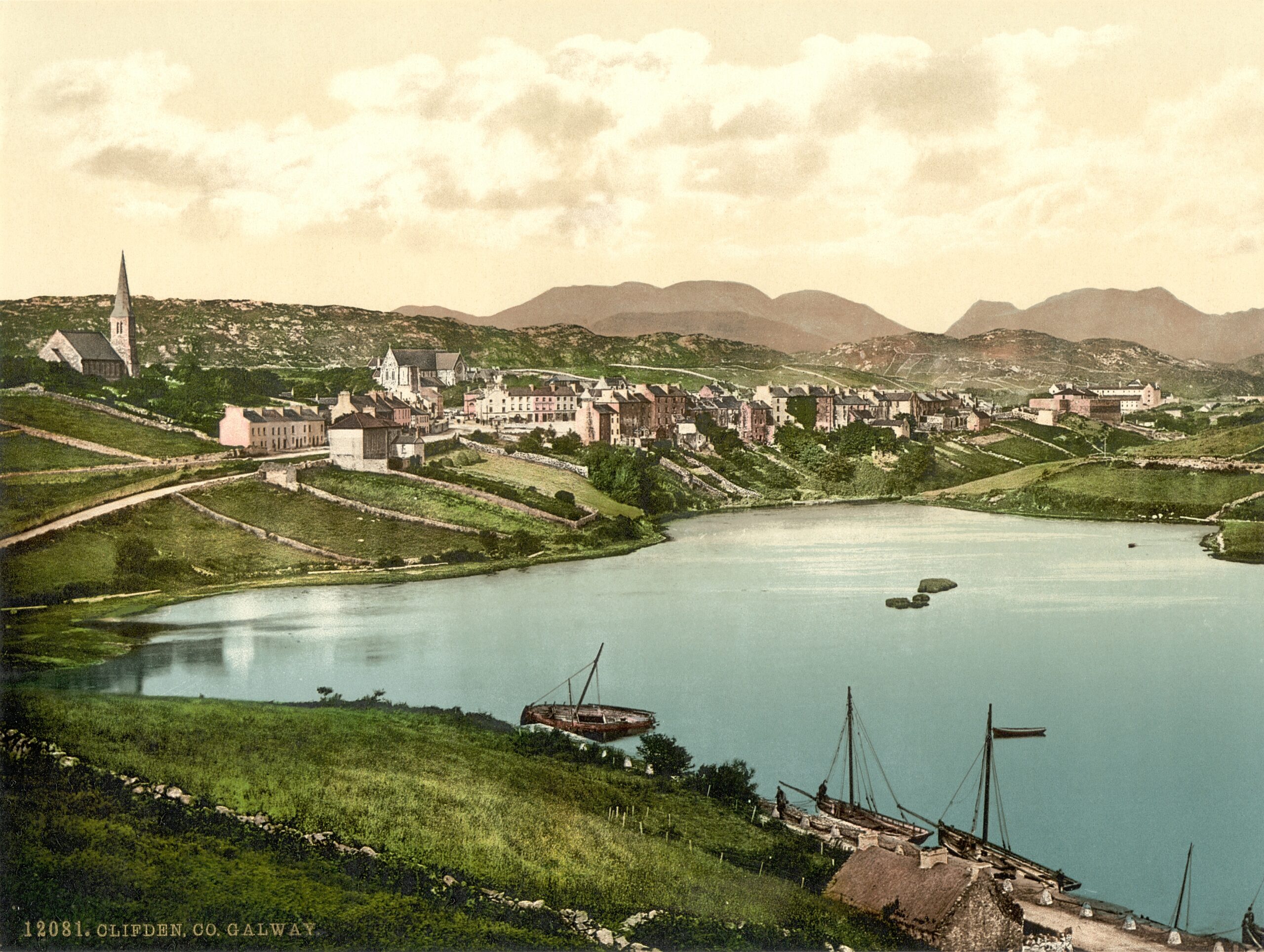
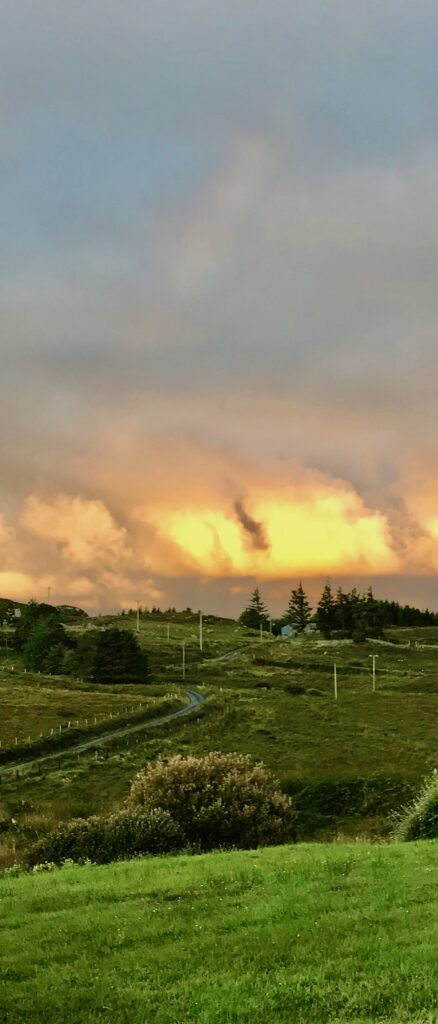
Clifden, County Galway, Ireland, between 1890 and 1900.
How it started
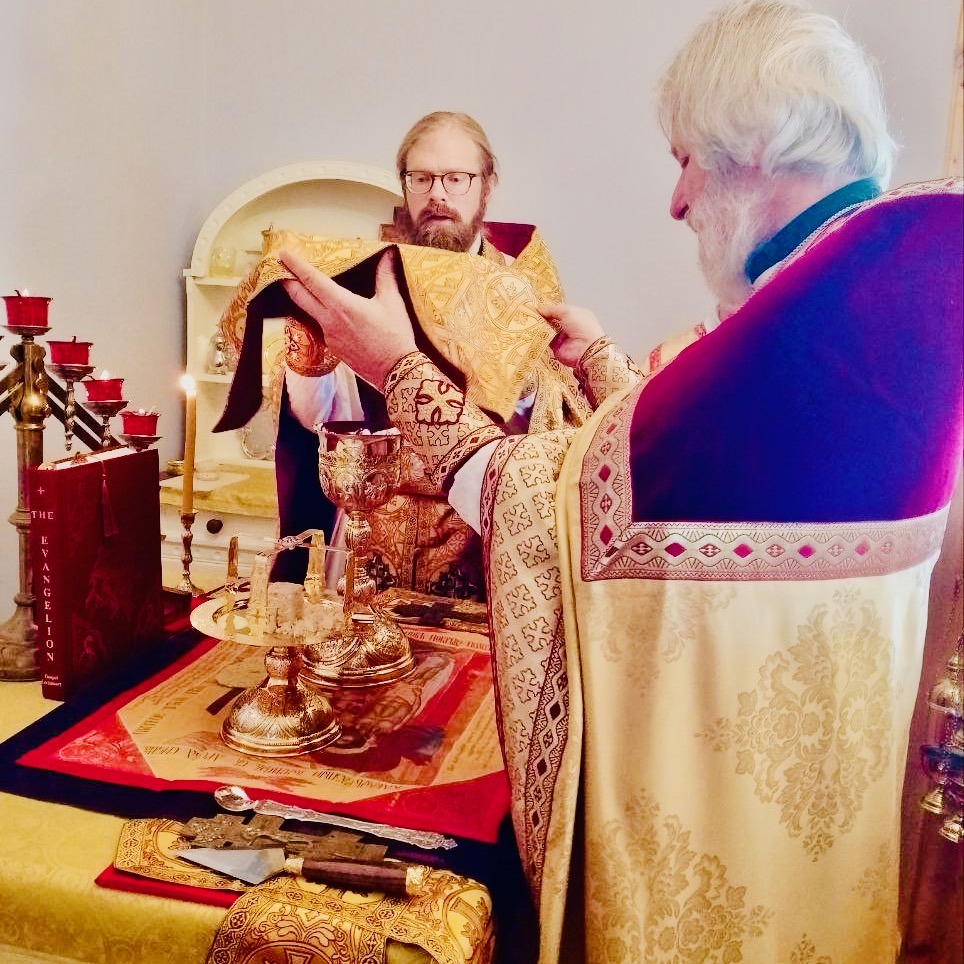
The Saint Patrick Orthodox Mission began with the ordination of Fr. Robert to the priesthood on the Feast of Saint Modomnoc, 2023. Father Robert and Matushka Anastasia share a deep love for the Irish Christian Saints, in whom they recognise traces of an ancient, yet familiar Christian faith. As they establish an English-language Orthodox mission centre in the Shanakeever Valley near Clifden, they continue to pray and seek support to rekindle the flame of Orthodox worship in the Irish lands which burned so brightly.
Did you know?
The Irish word for Wednesday, Dé Céadaoin, means “day of the little fast.” Thursday, Déardaoin, means “the day between fasts” and Friday, Dé hAoine, “day of the big fast.” This legacy of our early Irish fathers and mothers strikes a chord with Orthodox Christians, who still fast on Wednesdays and Fridays. A well-known early Christian practice, fasting on Wednesday and Friday recalls Christ’s betrayal and crucifixion, and, along with the Eucharistic celebration on Sunday, form the basis of the Orthodox Christian week.

Clifden’s Ancient Hermitage
Our the town of Clifden, an Clochán in Irish, may take its name from a monastic hermitage which stood here in ancient times. Though some speculate that the town’s name refers to a “place of the crossing stones” or “stone causeway,” its monastic origin can still be witnessed by the Clifden Stone of town centre.
Crossing Stones Unlikely Prior to Bridge
Located at the fingertip of a peninsula, Clifden marks no strategic crossing place. The pre-existing name of “an Clochán” may have assumed the “stony crossing” connotation shortly after its first bridge was constructed in 1789. As advanced infrastructure at a time when most of Connemara remained wild, the bridge would have been a notable landmark.
Indeed, a local historian in 1930 notes the location of the old bridge as such: “The stones are to be seen at the waterfall where the river enters the sea.” However, any rain churns up the falls into swells thundering over jagged precipices. This means that, prior to the bridge’s construction, the location would have been too dangerous to cross.
Holy Sites Marked by Graves
As an original place name (there are several towns of this name along the Atlantic coast), an Clochán generally refers to the stone dwellings originally built by ascetic monks. Like holy wells, churches, and abbeys, monastic sites became important to the local folk as religious centres. Even after early practices declined in the wake of the devastating coastal raids, such as by Vikings, during the early medieval period (800-1100 AD), and the Penal laws which outlawed non-Protestant practice, ancient Christian holy sites in Ireland retained enduring importance as the preferred location of graves.
Confirmation of Local Memory
Corroborating the memory of many locals, a collection of folklore compiled in the 1930 notes that: “Some observers are still of opinion that Clifden – Cloghan takes its name from the site of an ancient Cloghan which once was to be seen in the old Clifden Catholic cemetery, now closed for burial.” One of the Clochán’s foundation stones, known by locals as “the Clifden Stone,” marks the corner of the old church ruins. The Clifden Stone still stands in the town centre as part of Saint Mary’s graveyard. The holy site possibly served as the preferred burial location for as long as anyone can remember.
Similar to nearby ancient Christian sites such as Saint Colman’s ruins on Inishbofin and Saint Feichin’s ruins on Omey Island, this monastic site likely operated between the 6th and 9th centuries, at a time when Ireland served as an important centre for Orthodox Christian learning in the West.
More About Orthodoxy
Many wonderful resources offer an introduction to the Orthodox Church. Here are some of our favourites:
- Reflections with Bishop Irenei. A series of reflections by his Grace Bishop Irenei.
- Patristic Nectar Films. A YouTube Vlog by Fr. Josiah Trenham.
- A List of Orthodox Books recommended by the Holy Cross Monastery in Wayne, WV, USA.
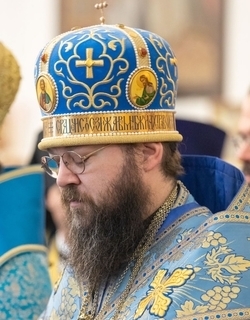
The Hierarchy of Saint Patrick Orthodox Mission in Ireland